India’s ethanol journey is more than a shift in fuel. It is an opportunity to connect agriculture, energy, industry and rural economic growth in a way that creates value across the country.
As India expands ethanol blending in petrol, the programme is opening new markets for agricultural produce while helping reduce dependence on imported fossil fuels. Crops such as maize, sugarcane and other feedstocks can play an increasingly important role in building a domestic renewable fuel ecosystem. For farmers, this can create additional demand and strengthen opportunities to participate in India’s growing clean-energy economy.
Concerns around land use, water consumption, food security and crop patterns deserve attention. But these challenges can also be addressed through smarter agricultural planning, improved farming practices, efficient water management and the development of diverse ethanol feedstocks. The goal should not simply be to produce more ethanol, but to build a more efficient and sustainable ethanol ecosystem.
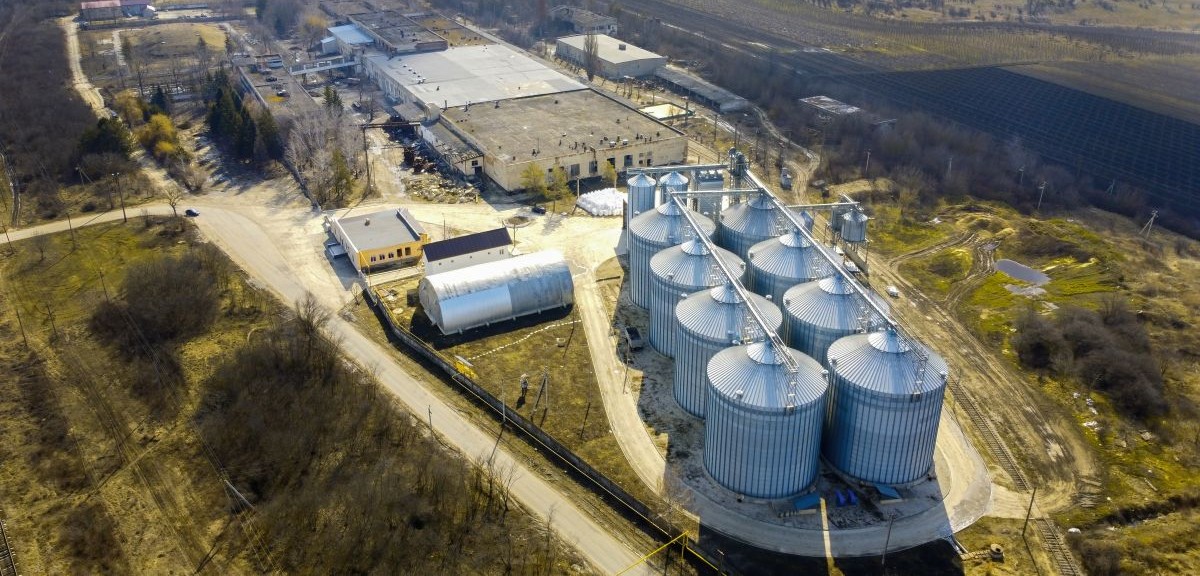
Ethanol also offers an important opportunity to make better use of agricultural surpluses. Instead of allowing excess production to remain underutilised, converting suitable crops into fuel can create an additional revenue stream while supporting domestic energy requirements. At the same time, the growth of the ethanol industry is encouraging investment in distilleries, processing infrastructure, technology and rural supply chains.
India’s approach does not need to replicate the model of any other country. Our ethanol strategy can be designed around India’s own agricultural strengths, water realities, energy needs and economic priorities. With innovation and responsible resource management, ethanol can become an important part of a diversified energy mix.
The benefits also extend beyond ethanol itself. Modern biofuel facilities can generate valuable co-products such as DDGS and recovered CO₂, allowing more value to be extracted from every tonne of feedstock and supporting a circular approach to production.
The way forward is clear: combine ethanol growth with responsible agriculture, efficient resource use and continuous innovation.
Ethanol is not just about blending fuel. It is about creating a stronger domestic energy ecosystem, expanding opportunities for agriculture and building a more resilient, sustainable future for India.